English
isiZulu
English
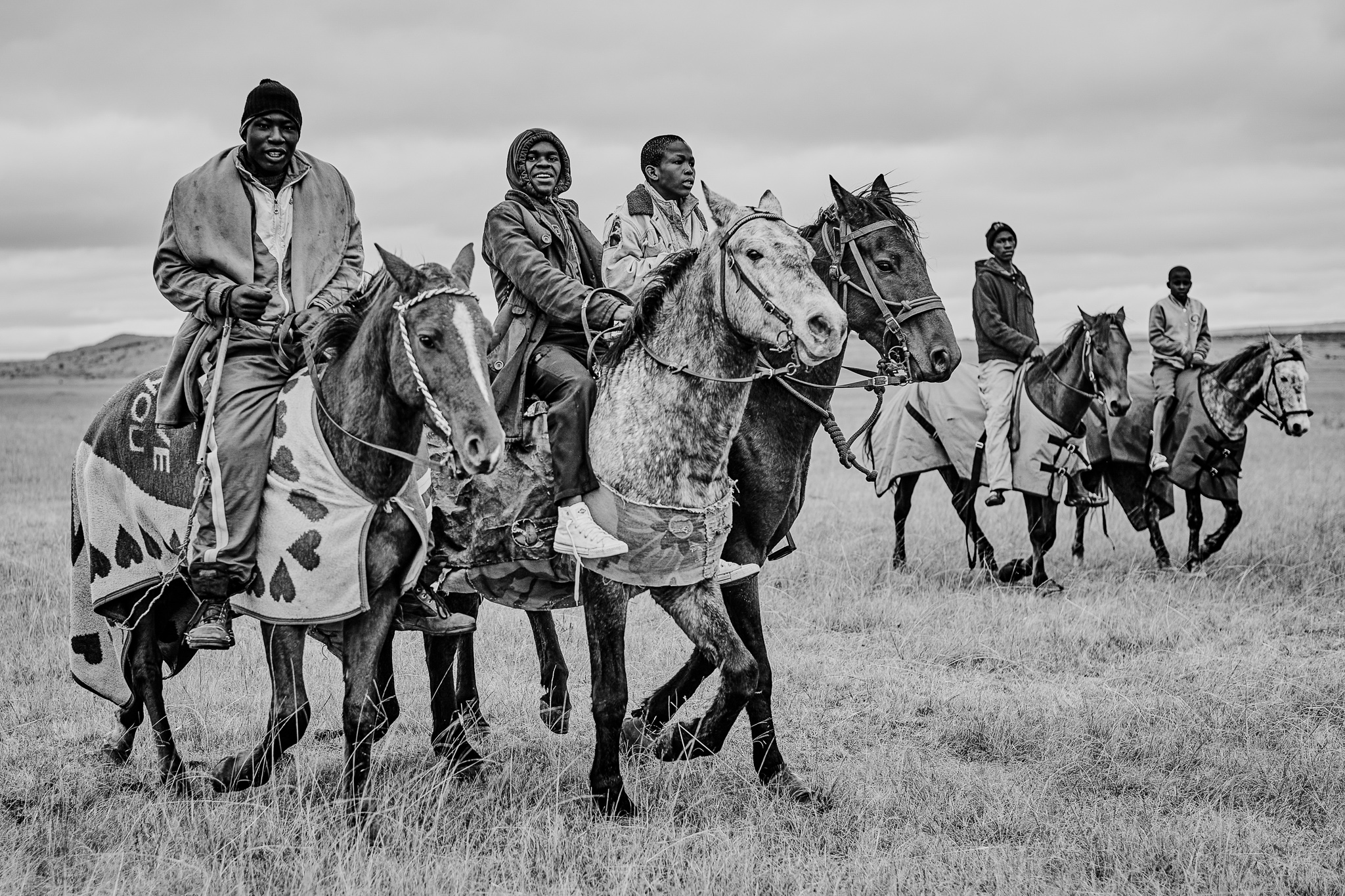
Myllo Menorah approaches photography as a form of self-expression through anonymity. He describes photography as a medium that allows him to “hide” aspects of his identity—such as his age, background, and life experiences—while still communicating his inner world. Unlike words or spoken language, which can reveal his biases, age, or cultural background, photography offers him the opportunity to be evasive. His relationship with photography is rooted in personal history. A portion of his life was spent in a hospital, and it was during this time that photography became a form of coping and escape. Through image-making, Menorah found a way to connect with others and endure difficult circumstances. When it comes to photographing people, his process emphasises understanding and connection. Menorah seeks to learn who the person in front of him is, but he is aware that everyone presents a version of themselves that they want others to see. He engages his sitters by asking questions to form a genuine connection. Menorah’s choice of subjects often reflects people in rural or urban central business district settings—those who are open to conversation and connection. He spends time engaging with individuals, sometimes without a camera, to build relationships. This approach ensures that when he does bring the camera into the interaction, it feels less obtrusive. Menorah wants his photography to elevate the everyday. He seeks to draw attention to what might otherwise be overlooked or considered ordinary, encouraging viewers to find beauty in the familiar. His images aim to reveal the extraordinary within the mundane, creating a bridge between what is hidden and what is visible in day-to-day life.
isiZulu
UMyllo Menorah ubheka ukuthwebula izithombe njengendlela yokuziveza ngokungaziwa. Uchaza ukuthwebula izithombe njengendlela emvumela ukuba “afihle” izici zobuntu bakhe—njengobudala bakhe, isizinda sakhe, kanye nezehlakalo empilweni yakhe—ebesakhuluma ngezinto azicabangayo. Kungenjengamagama noma ulimi olukhulunywayo, olungaveza ukuchema kwakhe, ubudala, noma isizinda samasiko, ukuthwebula izithombe kumnikeza ithuba lokugwema ezinye izinto. Uthando lwakhe nezithombe lusukela emlandweni wakhe. Ingxenye yokuphila kwakhe wayichitha esibhedlela, futhi kwakungalesi sikhathi lapho ukuthwebula izithombe kwaba indlela yokubhekana nesimo ngaleso sikhathi. Ngokwenza izithombe, uMenorah uthole indlela yokwakha ubudlelwano nabanye abantu futhi akwazi nokubekezelela izimo ezinzima. Uma kuziwa ekuthwebuleni abantu, leyo ndlela yakhe igcizelela ukuqonda nokuxhumana. UMenorah ufuna ukufunda ukuthi ubani umuntu ophambi kwakhe, kodwa uyazi ukuthi wonke umuntu uveza ubuyena bakhe ngendlela akafisa ukuthi abanye abantu bekubone ngayo. Uhlanganisa abahlali bakhe ngokubuza imibuzo ukuze bakhe ukuxhumana kwangempela. Ukukhethwa kwezihloko kukaMenorah kuvame ukukhombisa abantu abasezindaweni zamabhizinisi zasemaphandleni noma ezingaphakathi nedolobha—kulabo abavulelekile ukuxoxa nokuxhumana. Uchitha isikhathi ezihlalele nabantu ngabanye, ngezinye izikhathi ngaphandle kwekhamera, ukuze akhe ubudlelwano. Lokhu ukwenzela ukuqinisekisa ukuthi uma eseletha ikhamera laphehleli khona, ayinakeki kakhulu. UMenorah ufuna ukuthwebula kwakhe izithombe kukhule nsuku zonke. Uzama ukuthi kunakeke lokhu okungase kunganakeki noma kubonakala njengokujwayelekile, ukhuthaza izibukeli ukuba zithole ubuhle kulokhu abajwayelekile. Izithombe zakhe zihlose ukuveza okungavamile ezweni, okudala izikhala phakathi kokufihliwe nokubonakalayo nsuku zonke.
Niamh Walsh-Vorster