Mphiliseni Manqele
Mama Forever words by Mbusi Mzolo
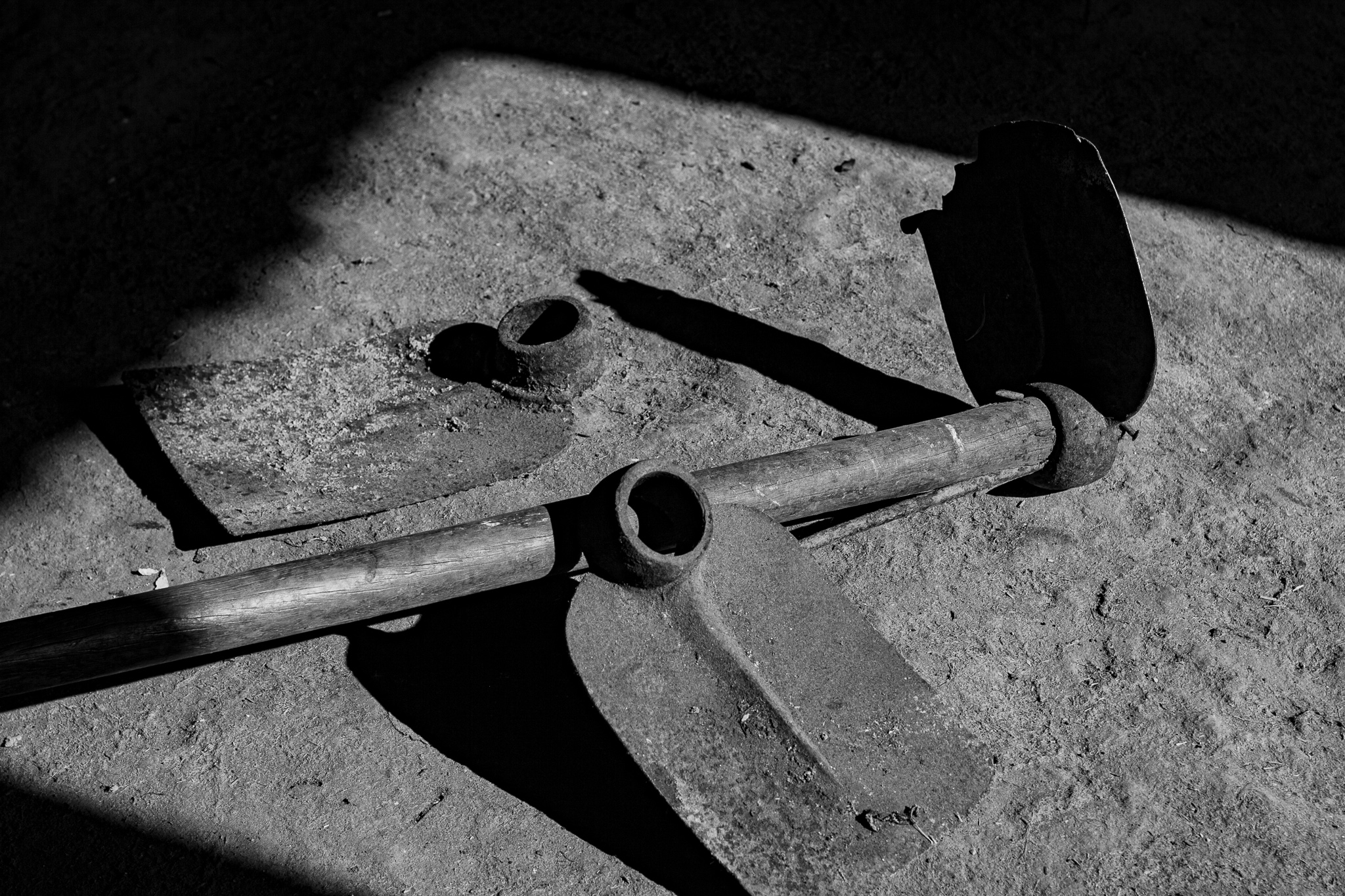
Photography graduate, Mphiliseni Manqele developed an affinity for documentary photography during his tenure as an undergraduate student. When it was time to develop a series of images for the CAP incubation programme he decided to put his skills to the test under the tutelage of the programme’s mentors. When it was time to select a subject, Manqele decided to centre his mother in the story he wanted to tell. This body of work is an expression of his appreciation for his mother, Lindiwe Manqele. It is a gift to her for all that she has done for him and his siblings. The stark black and white images are meant to celebrate his mother’s resilience. Lindiwe was left to raise two young boys on her own when the profound calamity of losing her life partner (Mphiliseni’s father) befell the Manqele family. Mphiliseni hopes the celebration of his mother’s resilience will give hope to women faced with similar adversities. In Conversations with My Sons and Daughters Dr. Mamphela Ramphela posits that “women’s roles as anchors during critical moments, and as reassuring presences in times of uncertainty and fear leave indelible memories in their children’s lives.” The foundation of Mphiliseni’s series of photographs echoes Dr. Ramphela’s sentiments. The series is divided into two, the present and the past, with present day Lindiwe as the main focus. Mphiliseni shows the multitude Lindiwe contains by photographing her in the different cosmetic identities she assumes depending on the roles she plays in her everyday life. Mphiliseni grants us access to the Manqele family archive of photographs to show us who Lindiwe was before she assumed the roles she plays in the present day. As much as the idea for this series was Mphiliseni’s, he still wanted his mother to play a role beyond appearing in the photographs. He wanted her to be an informed collaborator. Mphiliseni was constantly in conversation with his mother to share the reasons and goals for the body of work. What came out of one of these conversations is how the photographs will be made. Mphiliseni was not interested in having Lindiwe act out any scenarios, he was interested in documenting her life as it happened. During the making of this body of work Lindiwe continued with her normal life, only this time it was punctuated by her son’s requests to photograph her as she went about her day. She felt strongly about being shown as a woman of faith whose church life is at the centre of her being. We see her in church garb in Afternoon Prayer. God and spirituality are core tenets in the Manqele household. From what Mphiliseni gleaned in their conversations his mother believes her faith and spirituality are why she was able to care for them as a young widow. The church, by extension, is amongst the communities Lindiwe values the most and she was adamant that she be portrayed in her role as a woman of faith alongside the people she congregates with. In Mrs. Dladla we see one of the people who are part of Lindiwe’s spiritual community. Mphiliseni shows the viewer who his mother is when she is home. She is the caregiver, who cooks. The grandmother who spends time with her grandchild. She is the landscape artist who keeps the lawn clean. She is the woman who can pick up a hoe, get into wellingtons and tend to the garden. A photographer with a different set of skills and sensibilities might have done more to explore Lindiwe’s interiority and add some richness and magic to the collection. Mphiliseni believes he achieved what he was going for; presenting his view of his mother. Hosting an exhibition in his local community would be the ideal next step for this body of work. He has already printed some of the images for his mother to have. Manqele sees this body of work as an avenue to immortalise his mother, as a resilient caregiver who contains multitudes.
More Projects
